

About Cariluis Alpaca
PERU, A LAND OF BREATHTAKING LANDSCAPES AND RICH CULTURAL HERITAGE, IS ALSO RENOWNED FOR ITS EXQUISITE ALPACA GARMENTS.
For centuries, Peruvian artisans have skillfully crafted garments from the luxurious fleece of the alpaca, a gentle and majestic animal native to the Andean region. These garments are not only aesthetically pleasing but also symbolize Peru’s commitment to sustainable and ethical fashion.
Alpaca fiber is highly regarded for its exceptional quality and unique properties. The fleece is incredibly soft, hypoallergenic, and lightweight, making it a sought-after material for high-end fashion. Alpacas are sheared annually, providing a renewable and sustainable source of fiber without causing harm to the animals.
Cariluis Alpaca within the peruvian artisans, with their generations-old expertise, transform this fine fiber into a variety of garments that embody both style and tradition. Sweaters, ponchos, shawls, scarves, hats, and gloves are just a few examples of the exquisite alpaca creations that showcase the talent and artistry of Peruvian craftsmen.
One of the most renowned types of alpaca garments is the “poncho.” These colorful and intricately patterned ponchos are not only fashionable but also serve a practical purpose. They provide warmth and protection against the chilly Andean winds. Ponchos often feature vibrant designs that reflect the cultural heritage and symbolism of the Andean communities.
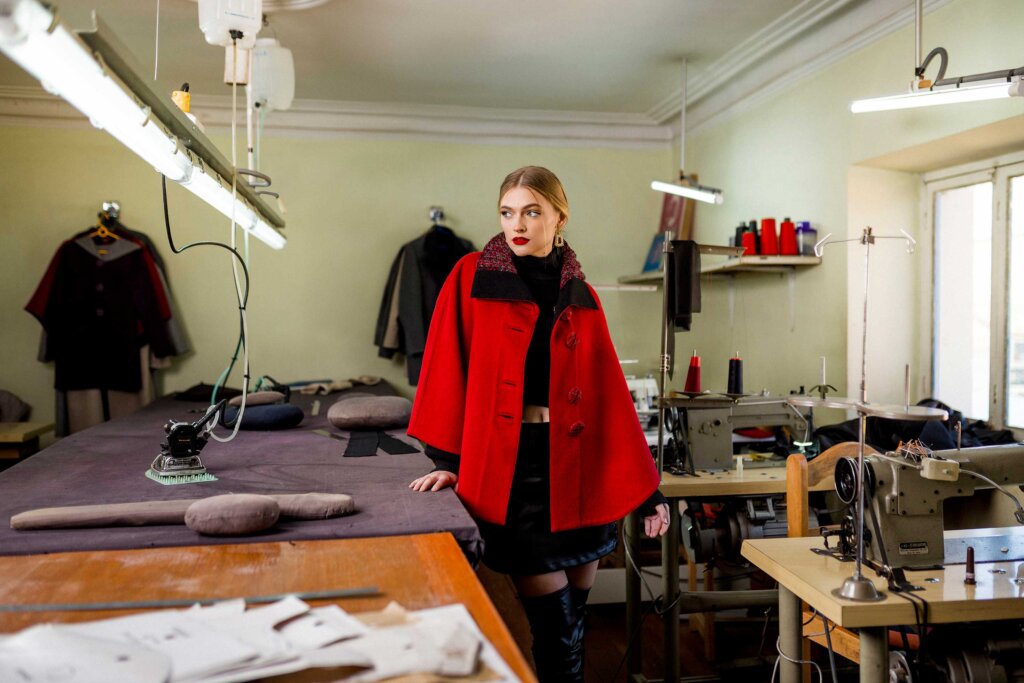
ALPACA GARMENTS ARE NOT ONLY LUXURIOUS AND VISUALLY APPEALING BUT ALSO BOAST REMARKABLE FUNCTIONAL PROPERTIES.
The fibers have excellent insulating properties, keeping the wearer warm during cold winters and cool during hot summers. Alpaca wool is also resistant to odors and stains, ensuring longevity and ease of maintenance for the garments.
After working with simpler fibers for a long time, we decided to explore this beautiful and incredible fiber, as special as it is ancestral. Our garments have evolved over the years, becoming more precise and comfortable, almost like a fraternal hug.
Moreover, the production of alpaca garments in Peru follows sustainable and ethical practices. The Peruvian alpaca industry emphasizes fair trade, supporting local communities and promoting economic development. By valuing traditional craftsmanship and providing fair wages, Peruvian artisans are able to preserve their cultural heritage while contributing to the sustainable growth of their communities. In recent years, the demand for sustainable and ethical fashion has grown significantly, and Peruvian alpaca garments have become highly sought after worldwide. People are increasingly drawn to the unique combination of luxury, quality, and environmental consciousness that these garments offer.
PERUVIAN ALPACA TEXTILES: A RICH TRADITION OF CRAFTMANSHIP
Nestled within the stunning landscapes of the Andes Mountains, Peru boasts a long and cherished history of textile production, with the magnificent alpaca at the center of its creative tapestry. Peruvian alpaca textiles are renowned worldwide for their exquisite quality, luxurious feel, and vibrant colors, embodying the rich cultural heritage of the Andean people.
Alpacas, native to the highlands of Peru, have been domesticated for thousands of years. Revered for their soft, lustrous fleece, these majestic creatures provide the raw material that forms the foundation of Peru’s textile industry. The alpaca fiber is sheared annually from the animals, ensuring sustainability and maintaining the integrity of the herds.
One of the distinctive qualities of Peruvian alpaca textiles is their remarkable warmth and insulating properties. Alpaca fibers have a hollow core, which allows for exceptional thermal regulation, keeping the body comfortably warm in cold climates while remaining lightweight and breathable. This unique feature has made alpaca garments highly sought after by discerning fashion enthusiasts around the world.
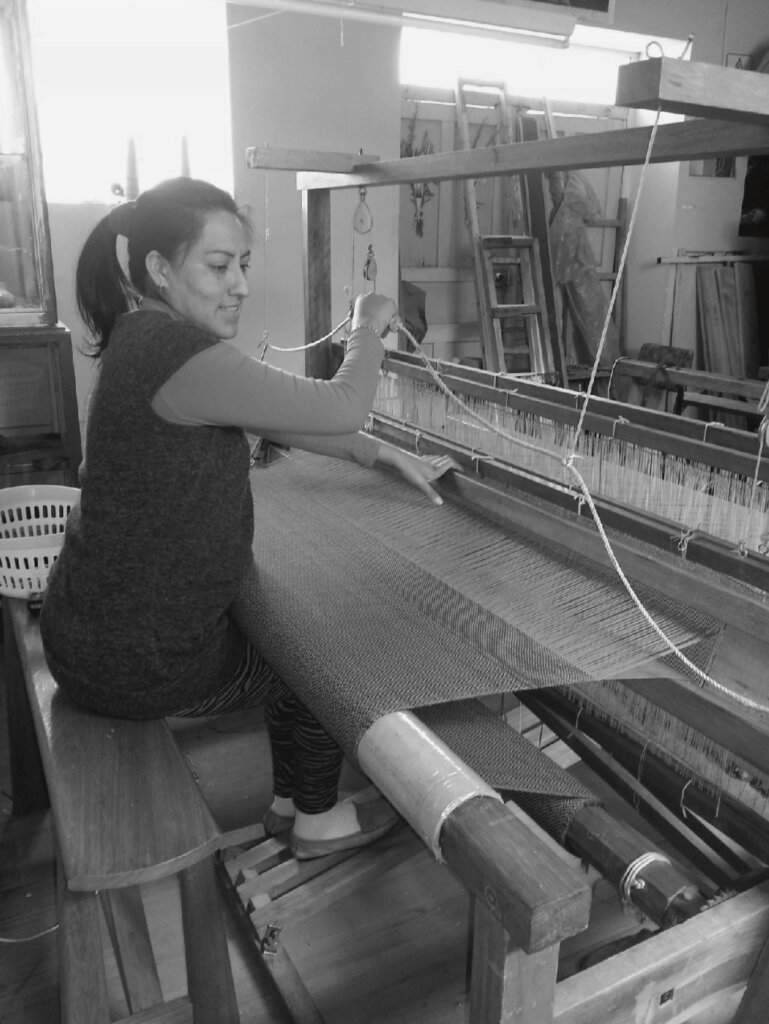
The art of producing alpaca textiles is deeply ingrained in Peruvian culture. Passed down through generations, traditional weaving techniques continue to be practiced in rural communities today. Local artisans meticulously spin the alpaca fiber into yarn using ancient drop spindle methods, a technique that requires great skill and patience. These skilled craftsmen and women then use either backstrap or foot pedal looms to create intricate patterns and designs that reflect their indigenous heritage.
The vibrant colors found in Peruvian alpaca textiles are derived from natural dyes made from a variety of plants, minerals, and insects. This commitment to using organic materials not only preserves the environment but also adds a distinct authenticity to the final product. The harmonious blend of intricate patterns and vibrant hues tells stories of Andean folklore, symbolizing the connection between nature, spirituality, and everyday life.
Peruvian alpaca textiles cater to a wide range of tastes and preferences. From cozy sweaters and scarves to elegant shawls and blankets, there is a piece for every occasion. The luxurious feel of alpaca fibers against the skin, coupled with their durability and resistance to pilling, ensures that these textiles will stand the test of time.
Beyond their aesthetic appeal, Peruvian alpaca textiles also contribute to the socio-economic development of local communities. By embracing fair trade practices and supporting sustainable production methods, the industry provides employment opportunities and fosters economic empowerment for artisans in remote areas, helping to preserve their cultural heritage and way of life.
Peruvian alpaca textiles are not merely fashion statements; they are a testament to the ingenuity, creativity, and resilience of the Andean people. As you wrap yourself in the warmth of a finely crafted alpaca garment, you embrace the centuries-old tradition of artisanal craftsmanship and become a part of the story woven into each thread. So, indulge in the allure of Peruvian alpaca textiles, and experience the luxurious blend of heritage, style, and sustainability.
These are the certifications we have and some partnerships, cooperating with our country to show the world the quality of peruvian textile and the alpaca fiber.